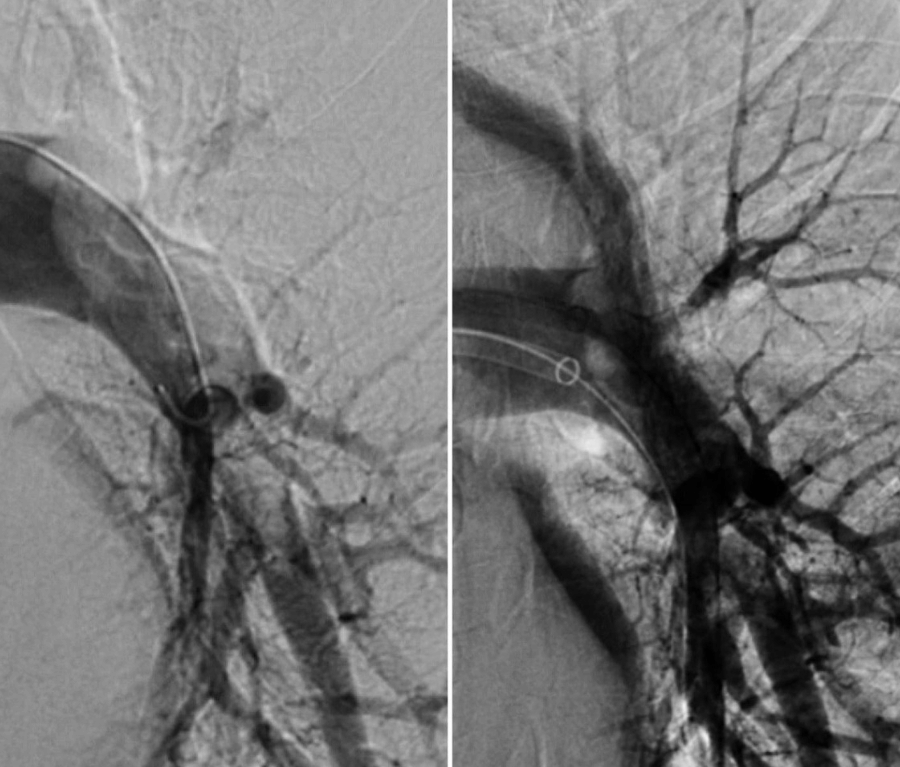
Introduction
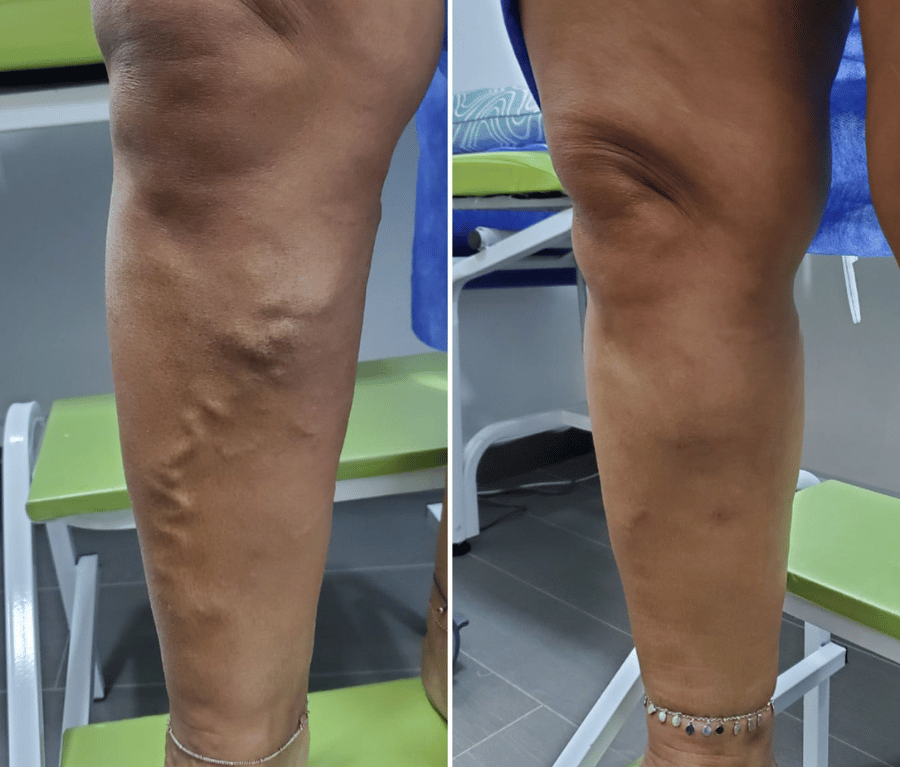
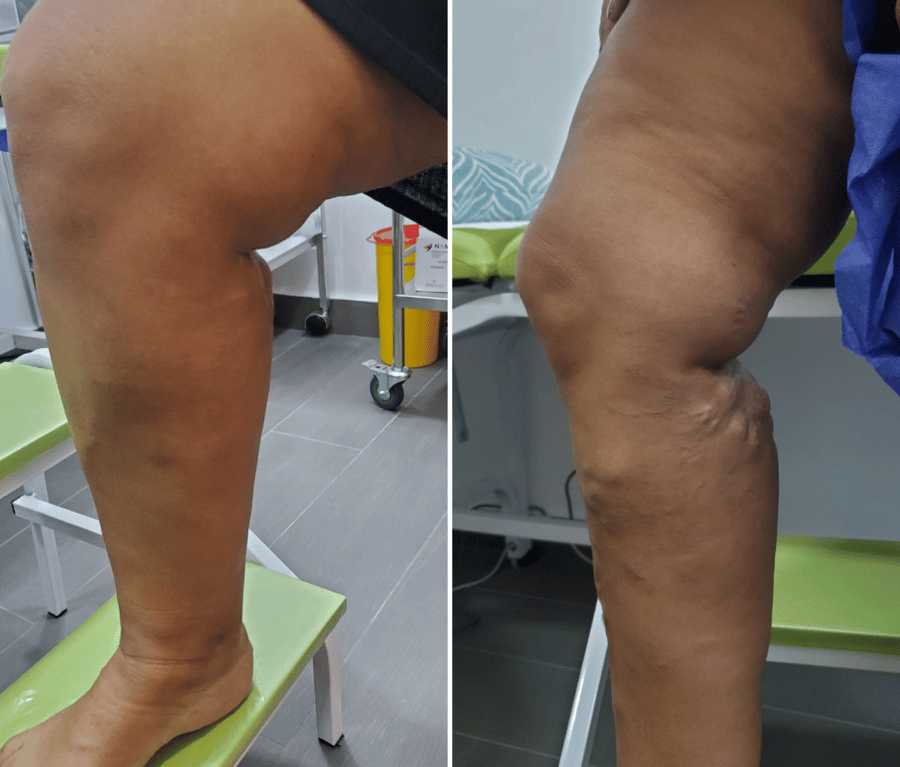
Varicose veins and chronic venous insufficiency are common vascular conditions that affect many adults. While some patients are mainly concerned about the appearance of visible veins, others experience symptoms such as leg heaviness, aching, swelling, burning discomfort, night cramps, itching, skin discoloration, or worsening symptoms after prolonged standing.
These symptoms may be caused by abnormal veins that are no longer moving blood efficiently back toward the heart. When the valves inside the veins become weak, blood can flow backward and pool in the legs, increasing pressure inside the superficial venous system.
Endovenous Laser Ablation, also known as Microlaser treatment, is a modern minimally invasive procedure used to close targeted diseased veins without traditional open surgery. The treatment uses controlled laser energy inside the abnormal vein, allowing blood to redirect naturally through healthier veins.
For many patients, Microlaser treatment offers an effective outpatient option for treating varicose veins, venous insufficiency, and related leg symptoms with minimal downtime.
What Is Microlaser Treatment?
Microlaser treatment, medically known as Endovenous Laser Ablation or EVLA, is a minimally invasive laser-based treatment for abnormal superficial veins.
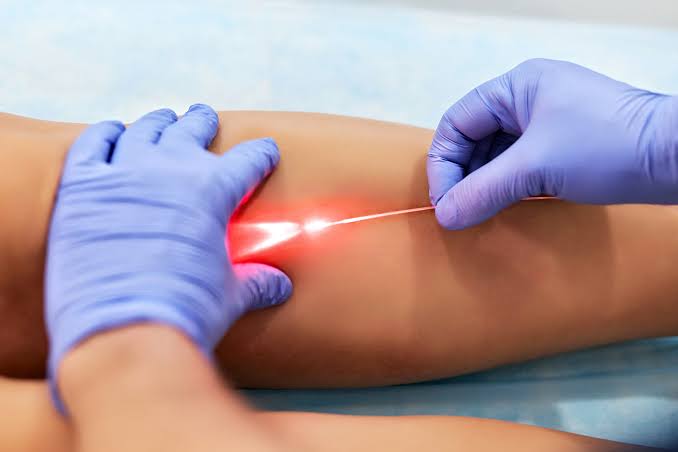
During the procedure, a thin laser fiber is inserted into the diseased vein through a very small skin puncture. Laser energy is then delivered inside the vein, producing controlled heat that causes the vein wall to contract and seal closed.
Once the abnormal vein is closed, blood is redirected to healthy veins that can carry it more effectively. Closing a diseased refluxing vein does not damage normal circulation, because the treated vein was already functioning poorly.
Over time, the closed vein is gradually absorbed by the body, and symptoms may improve as venous pressure decreases.
Unlike traditional vein stripping surgery, Microlaser treatment usually does not require large incisions, general anesthesia, stitches, or overnight hospital admission.
Conditions Treated With Endovenous Laser Ablation
Endovenous laser ablation and Microlaser treatment may be used to treat several venous problems, including:
• Varicose veins
• Chronic venous insufficiency
• Enlarged superficial veins
• Leg heaviness
• Leg swelling
• Aching or throbbing leg pain
• Burning discomfort related to venous disease
• Skin discoloration caused by venous hypertension
• Venous eczema or itching
• Recurrent superficial venous symptoms
Small superficial veins may be treated in selected cases, depending on their size, location, and connection to underlying reflux. Very fine spider veins often require other treatments, such as sclerotherapy or surface laser, rather than endovenous laser ablation.
Because not all visible veins have the same cause, a proper vascular assessment and duplex ultrasound scan are essential before choosing the best treatment plan.
How the Procedure Works
Microlaser treatment is carefully planned using clinical examination and ultrasound guidance. The exact steps may vary depending on the patient’s anatomy and the veins being treated, but the procedure usually includes the following:
1. Clinical Assessment and Duplex Ultrasound
Before treatment, the vascular specialist examines the legs and performs a duplex ultrasound scan. This scan is one of the most important parts of the evaluation.
The ultrasound helps identify:
• Which veins are diseased
• Where reflux is present
• The size and depth of the veins
• Whether the deep veins are healthy
• The safest treatment pathway
• Whether laser, sclerotherapy, phlebectomy, or combined treatment is needed
Treating visible veins without identifying the underlying source of reflux can lead to incomplete treatment and recurrence.
2. Local or Tumescent Anesthesia
The procedure is usually performed under local anesthesia. A dilute anesthetic solution, called tumescent anesthesia, is placed around the vein.
Tumescent anesthesia helps numb the area, compress the vein, improve contact between the vein wall and laser energy, and protect surrounding tissues from heat.
3. Laser Fiber Insertion
Using ultrasound guidance, the specialist inserts a thin laser fiber into the abnormal vein through a small needle puncture. No large surgical incision is usually needed.
4. Laser Energy Delivery
The laser is activated as the fiber is slowly withdrawn through the vein. The controlled heat causes the vein wall to close from the inside.
5. Blood Redirection
After the abnormal vein is closed, blood naturally redirects through healthier veins. This reduces pooling and pressure in the diseased superficial venous system.
6. Compression and Walking
After the procedure, a compression stocking or bandage may be applied. Patients are usually encouraged to walk soon after treatment, because walking supports healthy circulation and recovery.
Benefits of Microlaser Endovenous Laser Ablation
Microlaser treatment offers an important advantage over older traditional laser approaches and open surgical procedures because it allows more precise treatment of selected superficial and smaller abnormal veins, depending on their size, location, and ultrasound findings. Compared with commonly used conventional laser techniques, Microlaser can provide more targeted energy delivery, which may help treat veins that are more difficult to manage with standard methods while reducing unnecessary trauma to surrounding tissues. It is also much less invasive than traditional surgery such as vein stripping or high ligation, which usually involves larger incisions, tissue dissection, anesthesia, and a longer recovery period. With Microlaser treatment, the procedure is typically performed through tiny skin entry points under local anesthesia, and most patients can walk shortly afterward and return home the same day. This makes it a more comfortable and practical option for many patients seeking effective varicose vein and venous insufficiency treatment with minimal downtime.
Minimally Invasive Treatment
The procedure is performed through a small puncture rather than large surgical cuts. This usually means less tissue trauma and faster recovery.
Outpatient Procedure
Most patients are treated and discharged on the same day. Hospital admission is usually not required.
No Large Incisions
Because there are no large incisions, the risk of visible scarring and wound-related problems is usually lower than with traditional surgical approaches.
Quick Recovery
Many patients return to light daily activities shortly after treatment. Walking is usually encouraged immediately, while strenuous exercise may be delayed for a short period depending on the doctor’s instructions.
Improved Leg Symptoms
By treating venous reflux, Microlaser treatment may help improve:
• Heaviness
• Swelling
• Aching
• Throbbing
• Burning discomfort
• Leg fatigue
• Symptoms that worsen after standing
Improved Appearance
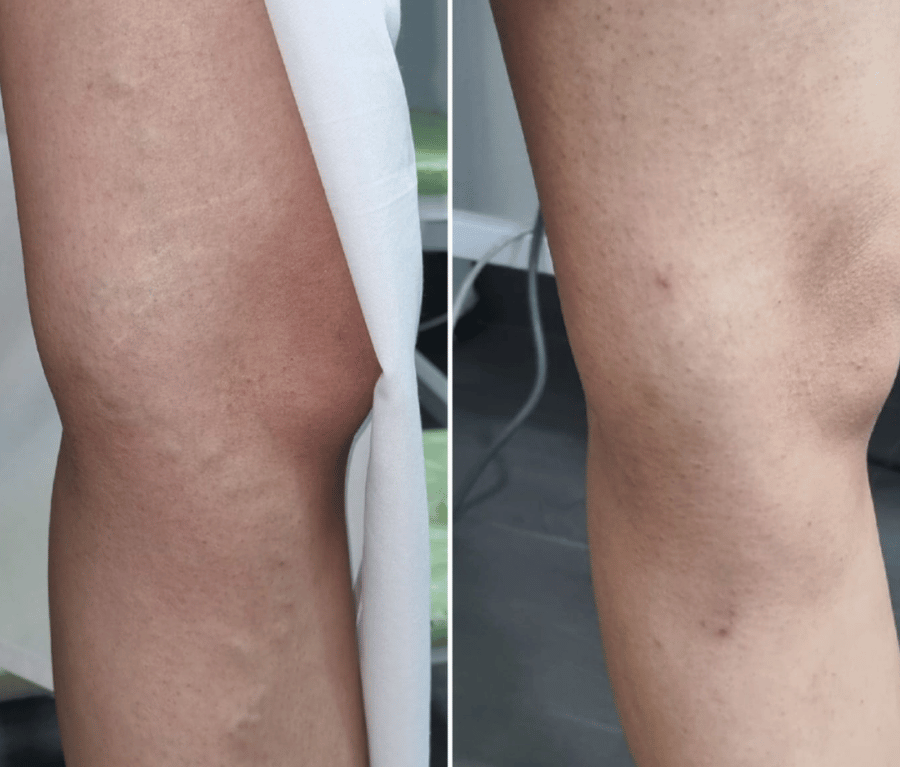
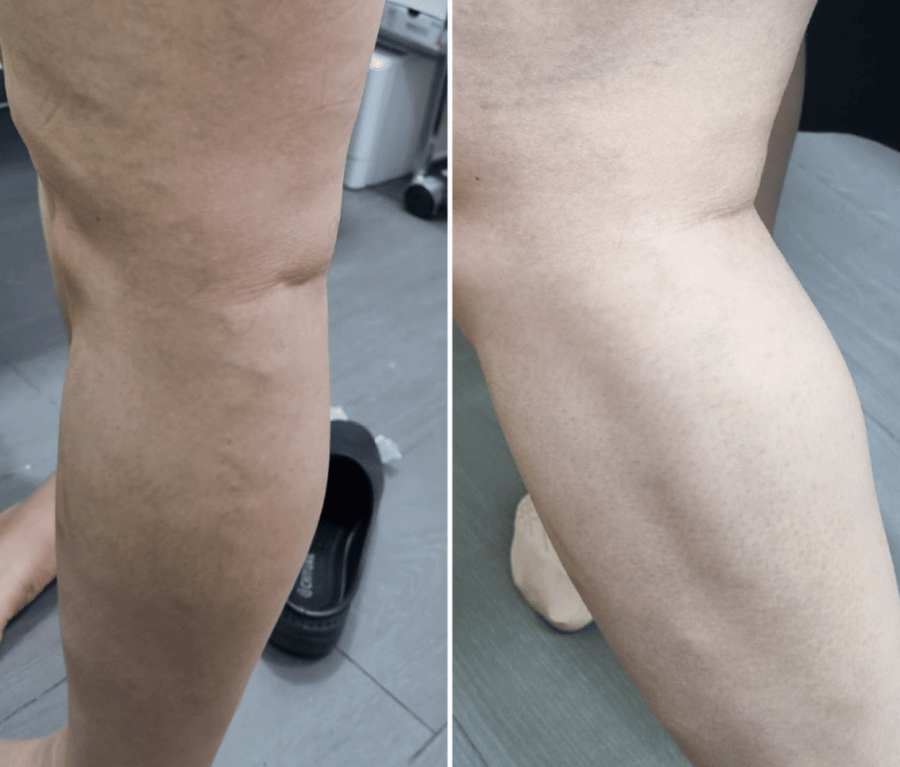
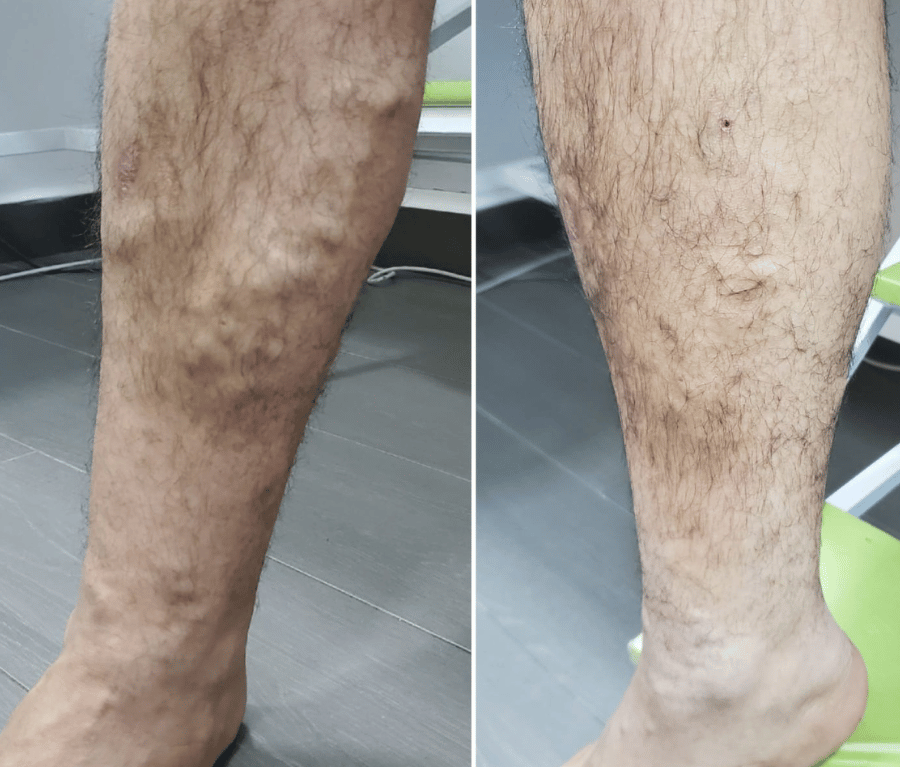
As abnormal veins close and venous pressure improves, visible veins may become less prominent. Some patients may still need additional treatment for residual veins or spider veins.
High Precision
Because the procedure is performed under ultrasound guidance, the vascular specialist can target diseased veins accurately while protecting nearby tissues.
Who Is a Good Candidate?
Microlaser treatment may be suitable for patients with symptoms or visible vein problems caused by superficial venous reflux.
You may be a candidate if you have:
• Bulging varicose veins
• Leg heaviness or fatigue
• Swelling that worsens during the day
• Aching or throbbing leg pain
• Skin discoloration around the ankle or lower leg
• Venous eczema or itching
• Recurrent superficial vein inflammation
• Cosmetic concern from visible veins
However, the decision should not be based only on appearance. A duplex ultrasound scan is needed to confirm whether venous reflux is present and to determine which veins should be treated.
Some patients may need a different approach or delayed treatment, including patients with active infection, severe peripheral arterial disease, pregnancy, certain clotting risks, or specific medical conditions. Your vascular specialist will assess your individual situation before recommending treatment.
Recovery After Microlaser Treatment
Recovery after endovenous laser ablation is usually straightforward. Most patients can walk shortly after the procedure and return to light daily activities quickly.
Your doctor may recommend:
• Walking soon after treatment
• Wearing compression stockings for a specific period
• Avoiding strenuous exercise for a short time
• Avoiding prolonged standing or sitting during early recovery
• Keeping the treated leg active with gentle walking
• Attending follow-up appointments
• Having a follow-up ultrasound scan if needed
Mild bruising, tenderness, tightness, or a pulling sensation along the treated vein can occur. These symptoms are usually temporary and improve gradually.
The timing of full recovery depends on the number of veins treated, the severity of disease, and the patient’s overall health.
Possible Side Effects and Risks
Microlaser treatment is generally safe when performed by an experienced vascular specialist, but no medical procedure is completely risk-free.
Possible side effects include:
• Mild bruising
• Tenderness along the treated vein
• Temporary tightness or pulling sensation
• Mild swelling
• Temporary numbness or tingling
• Skin discoloration
• Superficial thrombophlebitis
Rare but important risks include:
• Infection
• Skin burn
• Nerve irritation
• Deep vein thrombosis
• Incomplete vein closure
• Recurrence of varicose veins
A careful ultrasound assessment, proper technique, sterile precautions, correct patient selection, and structured follow-up help reduce these risks.
Patients should contact their doctor if they develop severe pain, marked swelling, fever, worsening redness, chest pain, shortness of breath, or any concerning symptoms after treatment.
Why Choose a Vascular Specialist?
Successful vein treatment starts with the correct diagnosis. Varicose veins are often only the visible part of a deeper venous circulation problem.
A vascular specialist can:
• Perform a detailed clinical assessment
• Use duplex ultrasound to map the venous system
• Identify the true source of reflux
• Decide whether Microlaser, sclerotherapy, phlebectomy, compression therapy, or combined treatment is best
• Treat both medical and cosmetic concerns safely
• Reduce the risk of incomplete treatment or recurrence
• Monitor recovery and detect complications early
Treating only the visible veins without understanding the underlying venous anatomy may lead to poor results or early recurrence. This is why proper evaluation by a vascular specialist is essential.
Conclusion
Endovenous Laser Ablation, also known as Microlaser treatment, is a modern minimally invasive option for patients with varicose veins, chronic venous insufficiency, leg heaviness, swelling, aching, and visible abnormal veins.
By using controlled laser energy to close targeted diseased veins, the procedure helps redirect blood through healthier veins and may improve both symptoms and appearance.
If you have varicose veins, leg swelling, heaviness, discomfort, or skin changes related to venous disease, schedule a consultation with a vascular specialist. A proper clinical assessment and duplex ultrasound scan can determine whether Microlaser endovenous laser ablation is the right treatment for you.
Frequently Asked Questions
1. Is Microlaser treatment painful?
Most patients tolerate the procedure well. Local or tumescent anesthesia is used to numb the treatment area. Some pressure, warmth, or mild discomfort may be felt, but significant pain is not expected.
2. How long does endovenous laser ablation take?
The procedure time depends on the number and size of veins being treated. Many treatments are completed during a short outpatient visit, and patients usually go home the same day.
3. Can I walk after Microlaser treatment?
Yes. Walking is usually encouraged soon after the procedure because it supports circulation and recovery.
4. When will I see results?
Some patients notice improvement in heaviness or aching within days to weeks. Visible veins may fade gradually over several weeks or months. Additional treatments may be needed for smaller residual veins.
5. Can varicose veins come back after laser treatment?
A successfully treated vein usually remains closed, but venous disease can progress over time and new veins may appear. Follow-up with a vascular specialist helps detect and treat recurrence early.
6. Do I need compression stockings after treatment?
Compression stockings may be reco
mmended depending on your condition, the treated veins, and your doctor’s protocol. They can help reduce swelling, bruising, and discomfort during recovery.