
Are Cold Feet a Sign of Poor Blood Circulation?
Many people experience cold feet, especially during the winter months or after sitting for long periods. While this is often harmless, persistent cold feet may be an early sign of poor blood circulation, particularly when accompanied by numbness, leg pain while walking, or changes in skin color.
As a vascular surgeon, I often see patients who overlook this symptom, assuming it is simply due to cold weather. However, in some cases, cold feet can indicate an underlying vascular condition that requires prompt evaluation and treatment.
Why Does Poor Circulation Cause Cold Feet?
Your feet rely on a healthy blood supply to receive oxygen and nutrients while maintaining a normal temperature. When blood flow is reduced due to narrowed or blocked arteries, less warm blood reaches the feet, causing them to feel persistently cold.
The condition may become more noticeable during physical activity or exposure to cold temperatures.
Common Causes of Cold Feet
Peripheral Artery Disease (PAD)
Peripheral Artery Disease is one of the most common vascular causes of cold feet. It develops when fatty deposits (atherosclerosis) build up inside the arteries, restricting blood flow to the legs and feet.
People with PAD may also experience leg pain while walking, slow-healing wounds, and changes in skin color.
Diabetes
High blood sugar levels can damage both blood vessels and nerves over time. This may lead to diabetic neuropathy and poor circulation, resulting in cold feet, numbness, tingling, or reduced sensation.
Raynaud’s Phenomenon
Raynaud’s phenomenon causes small blood vessels to narrow excessively in response to cold temperatures or emotional stress. As a result, blood flow temporarily decreases, causing the toes to become cold and change color.
Hypothyroidism
An underactive thyroid slows the body’s metabolism, making it more difficult to regulate body temperature. Many people with hypothyroidism experience persistent cold feet and hands.
Lifestyle Factors
Several everyday habits can negatively affect blood circulation, including:
- Smoking
- Prolonged sitting or inactivity
- Lack of regular exercise
- Obesity or excess body weight
How Can You Improve Blood Circulation?
Treatment depends on identifying the underlying cause. However, several simple measures can help improve circulation and relieve symptoms.
Home Care Tips
- Walk regularly to stimulate blood flow.
- Avoid sitting or standing for prolonged periods.
- Massage your feet daily to encourage circulation.
- Soak your feet in warm (not hot) water for 10–15 minutes.
- Wear warm cotton socks during cold weather.
- Elevate your legs slightly while sitting to promote healthy blood return.
Medical Treatment
If poor circulation is caused by arterial disease, your vascular specialist may recommend:
- Medications to improve blood flow.
- Controlling diabetes, high blood pressure, and cholesterol.
- Smoking cessation.
- A supervised exercise program.
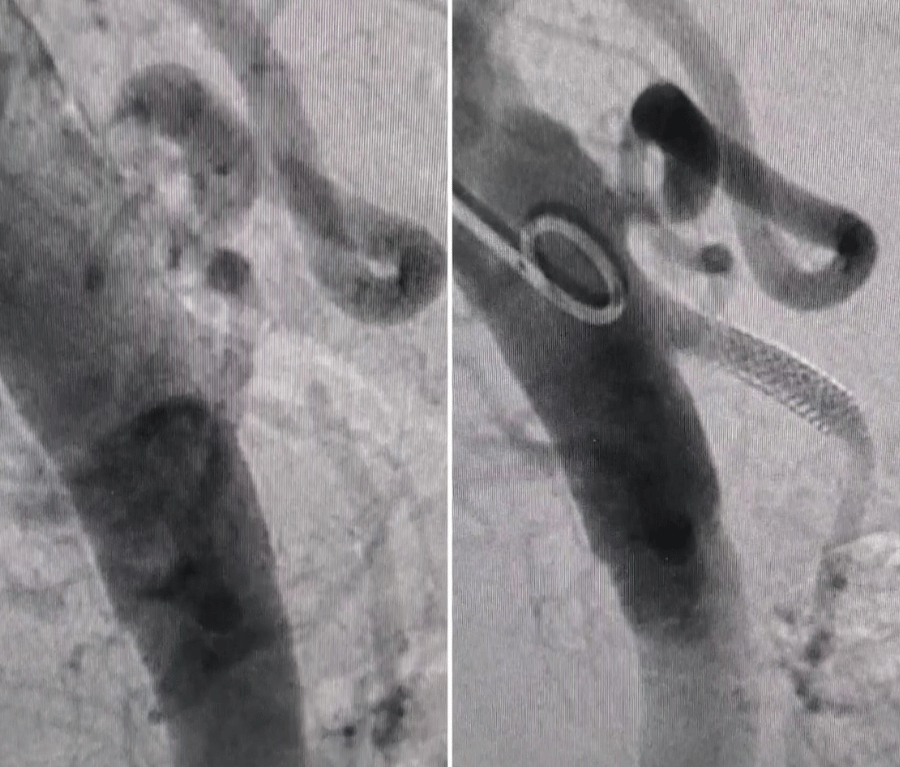
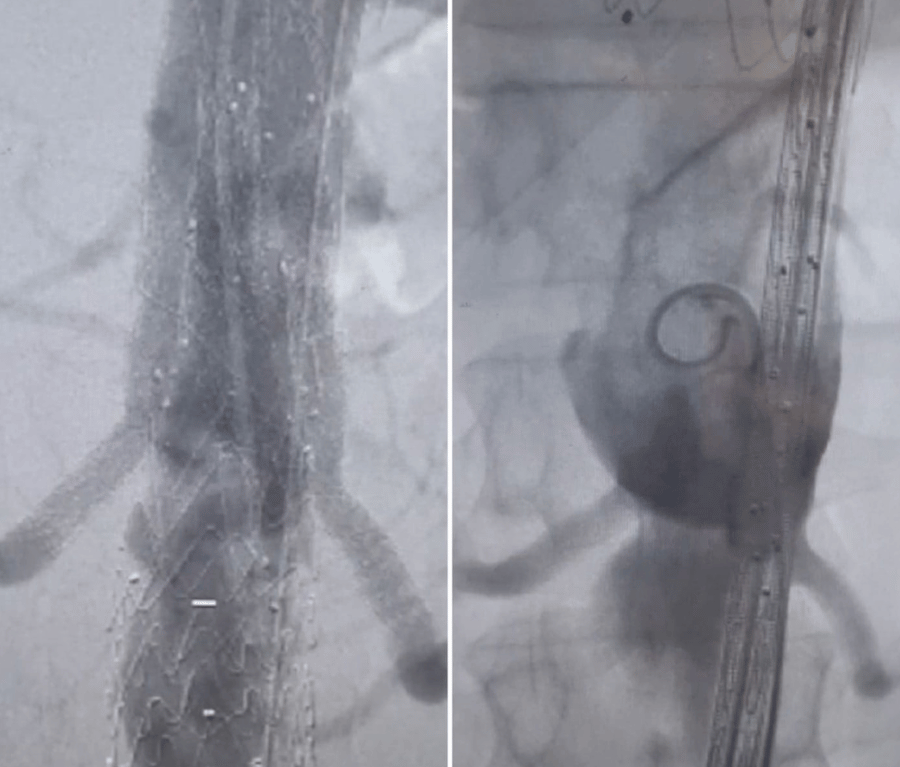
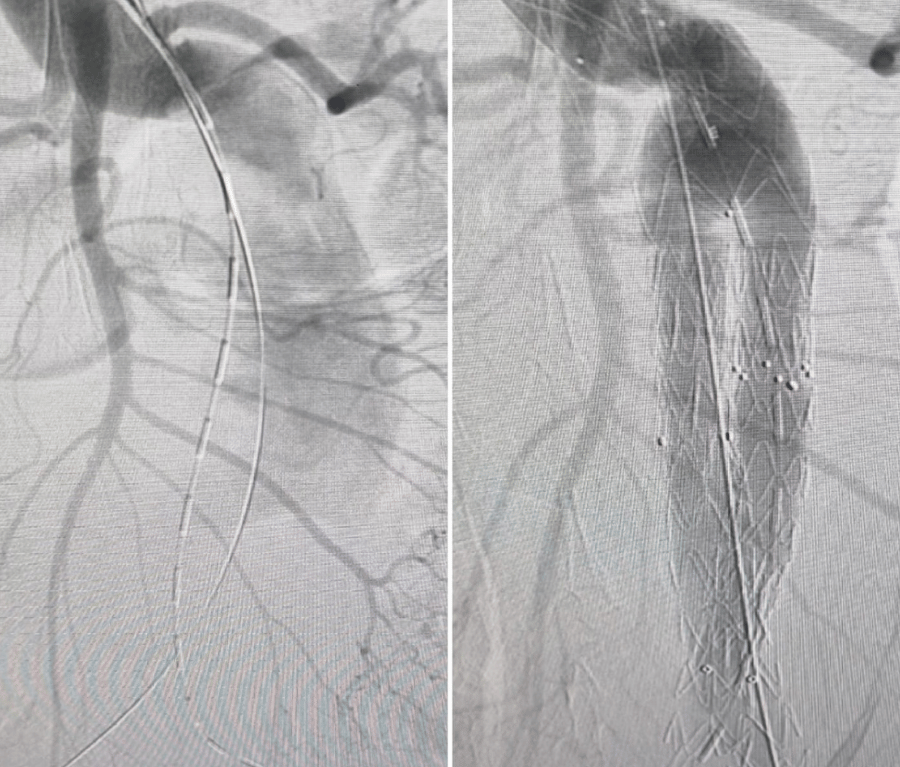
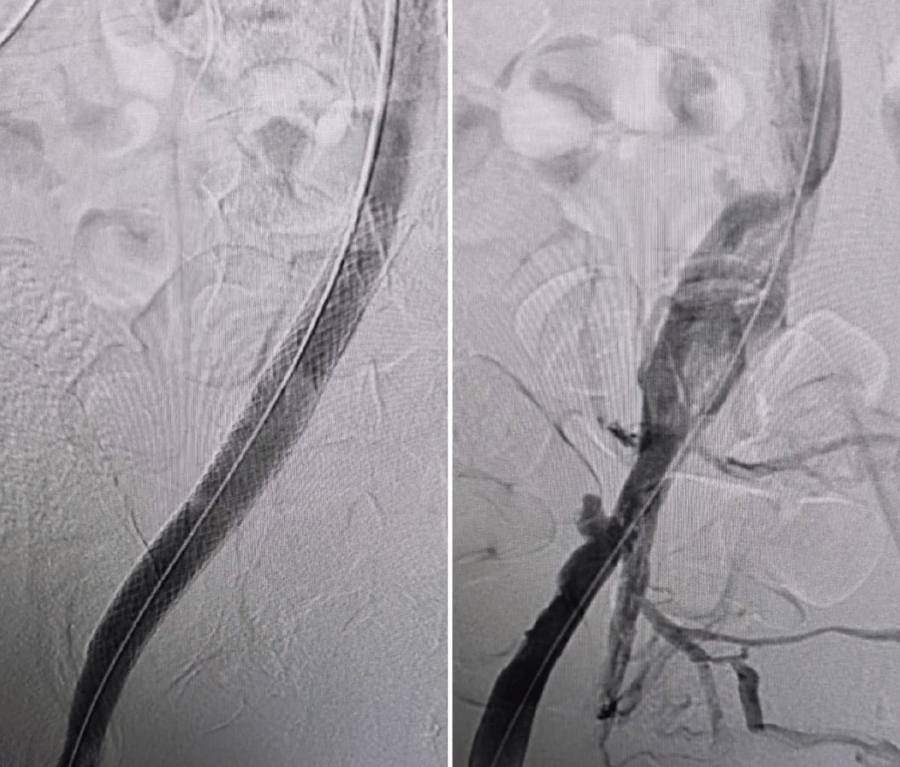
- In more advanced cases, minimally invasive angioplasty or vascular surgery to restore adequate blood flow.
When Should You See a Vascular Specialist?
You should seek medical evaluation if cold feet are associated with any of the following symptoms:
- Leg pain while walking that improves with rest.
- Persistent numbness or tingling.
- Blue, purple, or black discoloration of the foot.
- Slow-healing wounds or foot ulcers.
- Weak or absent pulses in the feet.
- One foot feeling significantly colder than the other.
Early diagnosis can prevent serious complications, including chronic limb ischemia and tissue damage.
A Message from Dr. Tareq Massimi
Cold feet should never be ignored when they occur together with pain, numbness, skin discoloration, or non-healing wounds. These symptoms may indicate Peripheral Artery Disease or another vascular condition that requires specialist care.
Timely diagnosis and appropriate treatment can significantly improve circulation, relieve symptoms, and reduce the risk of severe complications. If you have persistent cold feet or other signs of poor circulation, consult a vascular surgeon for a comprehensive evaluation.
Frequently Asked Questions
Are cold feet always caused by poor circulation?
No. Cold feet may also result from cold weather, hypothyroidism, Raynaud’s phenomenon, or certain neurological conditions. However, persistent symptoms should always be evaluated by a healthcare professional.
Can diabetes cause cold feet?
Yes. Diabetes can damage both nerves and blood vessels, leading to poor circulation, numbness, and cold feet.
Does walking improve blood circulation?
Yes. Regular walking is one of the most effective ways to improve blood flow to the legs and feet, particularly for people with early-stage Peripheral Artery Disease.
Can cold feet be a sign of blocked arteries?
Yes. Cold feet accompanied by leg pain, skin discoloration, or slow-healing wounds may indicate blocked arteries and should be assessed by a vascular specialist as soon as possible.